

Manga lovers look forward to a lot of things when it’s their first time in Japan. One of those is being able to buy their favorite manga in Japanese. One of the easiest ways to find manga in Japan would be to head over to Animate. The anime specialty chain carries many popular series and recent releases so it’s a convenient place to stop by for otaku. Plus new volumes and bestsellers are out on display so they’re pretty hard to miss. Small bookstores carry similar stocks, and convenience stores can also have the latest volumes of major titles.
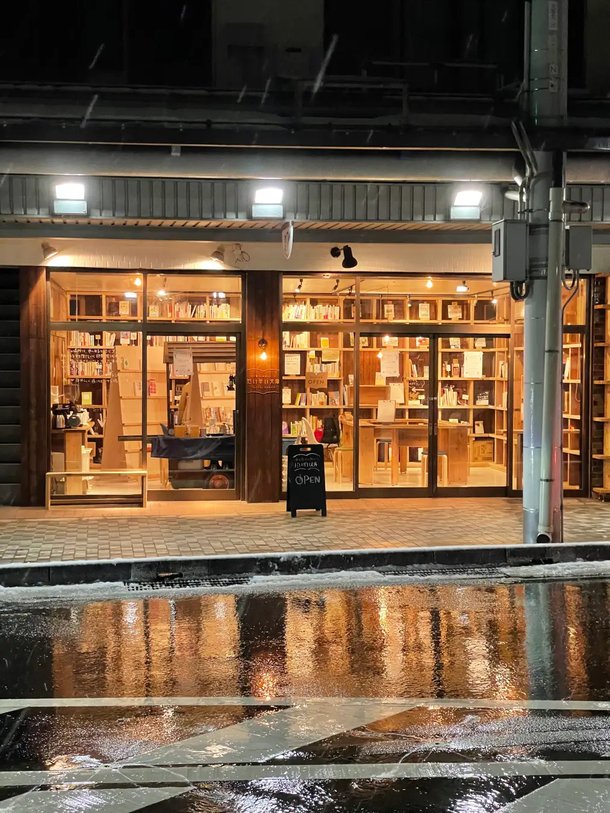
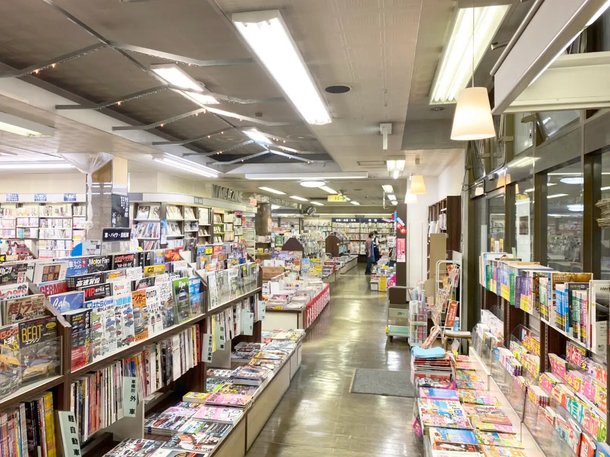
But what about finding older manga series or lesser known works? Your best bet is to head over to a big bookstore. Bookstore chains like Tsutaya, Maruzen, and Kinokuniya often carry a wide range of manga titles and are easy to find in major cities. There are also huge, multi-story bookstores that have a high chance of carrying more manga. Once inside, though, it can be confusing especially if you’re not familiar with a Japanese bookstore’s organizational system. In many English-speaking countries, books are arranged based on categories like fiction followed by sub-genres and then by author name. Though in some cases like English translated manga, they’re by title in alphabetical order.

Many Japanese bookstores have their manga under komikku (コミック) or manga (漫画), followed by demographical categories like shōnen, shōjo, seinen, josei, etc. But instead of separating them by genres like action, romance, or fantasy, there’s another factor that can make finding titles a bit challenging: publishers or shuppansha (出版社).
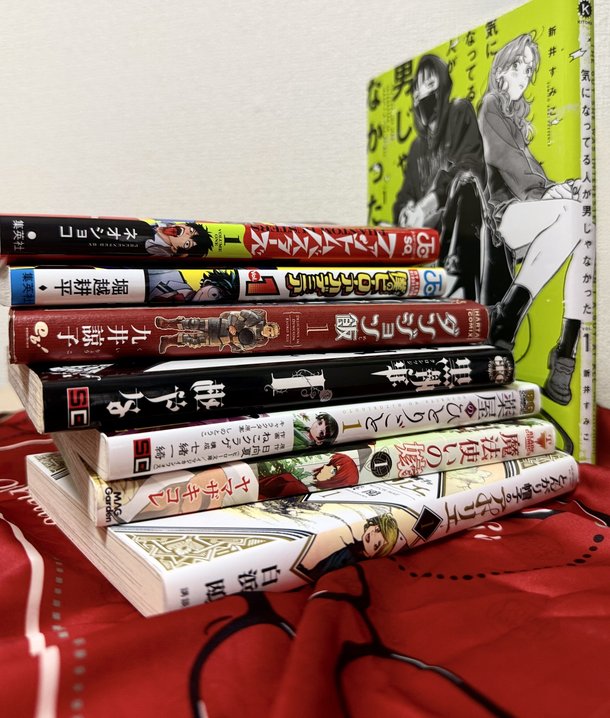
Most manga readers are familiar with the weekly magazines that publish manga like Shonen Jump, Hana to Yume, and more. If you want to buy certain manga published in these magazines, take note of their publishing company. Once at the store, look for that publisher’s name if you can read Japanese. And when you find their section, manga will be grouped by the imprint or label (レーベル) they’re under and further arranged by mangaka’s last name according to the Japanese kana gojūon system. So looking for manga on your own does require some basic knowledge of the Japanese language.
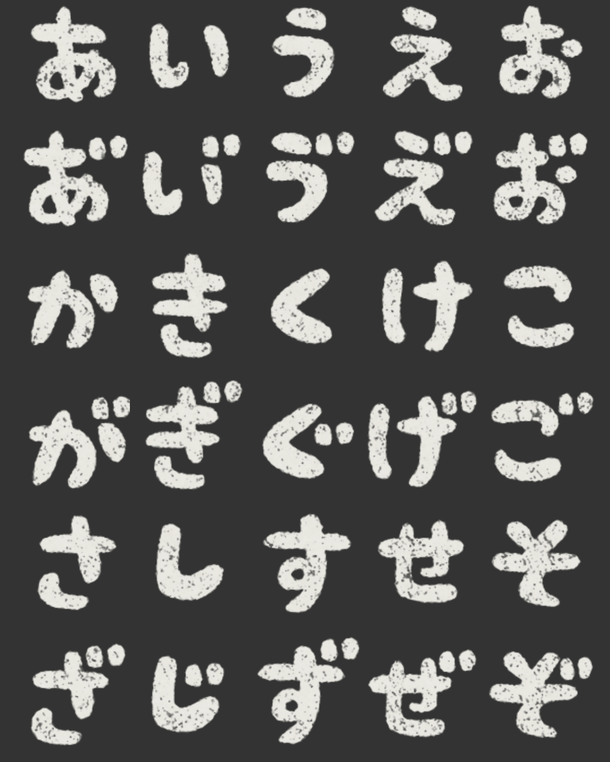
This way of organizing manga can be helpful when looking for new ones to read by publishers readers are already familiar with. But if you’re looking for a mangaka’s works from different publishers, be ready to spend some time going between sections.
This also applies to light novels too. Most stores have light novels in their own section, but they’re still arranged by publisher, label, and author by last name. Apothecary Diaries fans, for example, might have to do a bit of searching around the bookstore to find the two different manga versions and the light novels. But sometimes a fairly popular series might have a display with all related published work together, especially when it’s time to promote a new anime season or upcoming film. Still, it’s a good idea to note those publishers just in case.
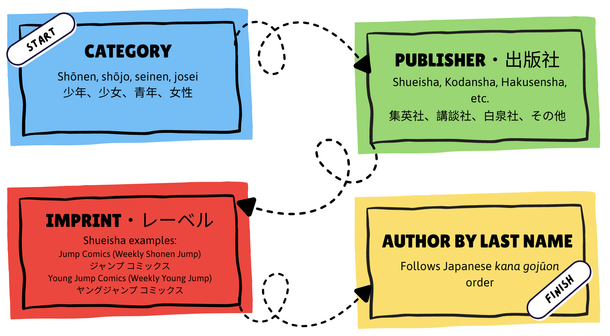
Keep this in mind for quick reference at the bookstore to help you narrow down your search!
While this system is standard for bookstores across Japan, it doesn’t apply if you’re on the lookout for doujin works. Stores that stock doujinshi like K-Books and Melonbooks arrange them by genre (BL, GL, shonen, shojo, idol, etc.) followed by the series name in kana order, and finally by ship/pairing known as CP or kappuring (カップリング) in Japanese. And once you find the ship you’re looking for, it’s up to you to search for whatever doujin you’re hoping to find since they’re not usually arranged in a specific order.
When the search starts to feel a bit overwhelming, don’t be afraid to ask the staff even if you can’t speak Japanese. It helps to have a screenshot of a cover or even just the original Japanese title and author of whatever you’re looking for. They can pull up the publisher info on their end.
But you don’t need to scour the shelves in Japan to get your favorite manga in Japanese. TOM has thousands of manga available for special order and they’re just a few clicks away! Whether you’re hoping to start a collection or looking for a specific volume you missed, check out the TOM Store for availability.
Have you ever spent time browsing a Japanese bookstore? Tell us all about your experience and what books you picked up on your trip!
TOM on YouTube
TOM on FB
TOM on Instagram
TOM on X
Written by Alon Bramble for TOM News




0 Comments