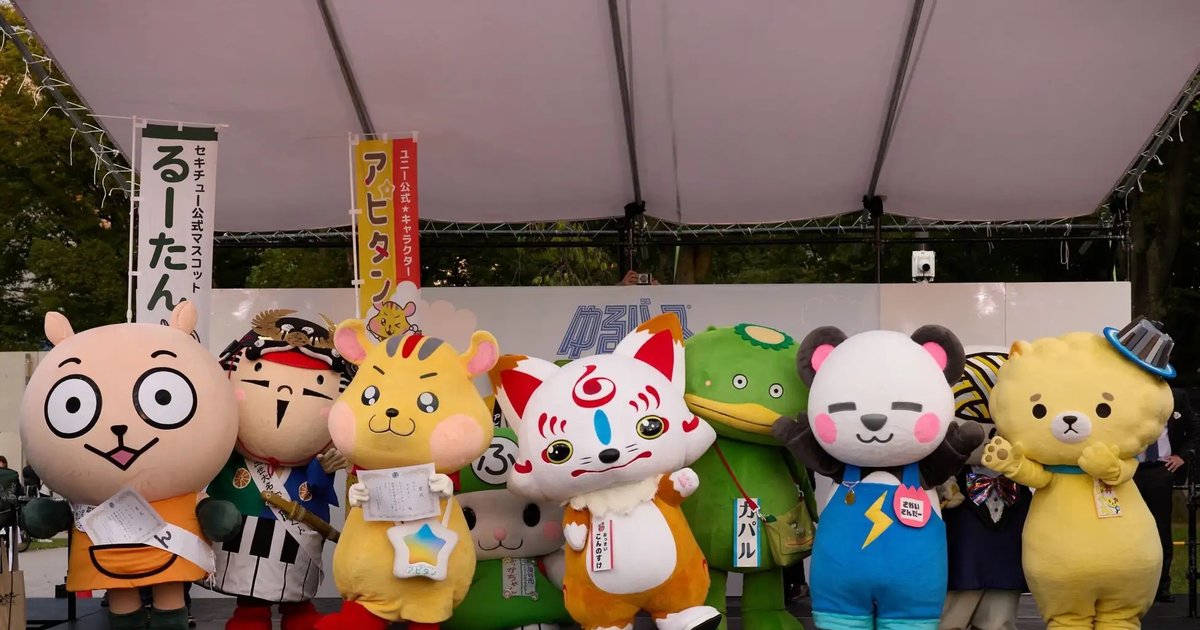
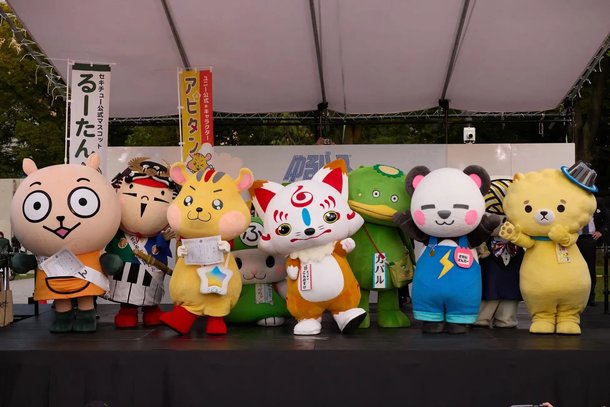
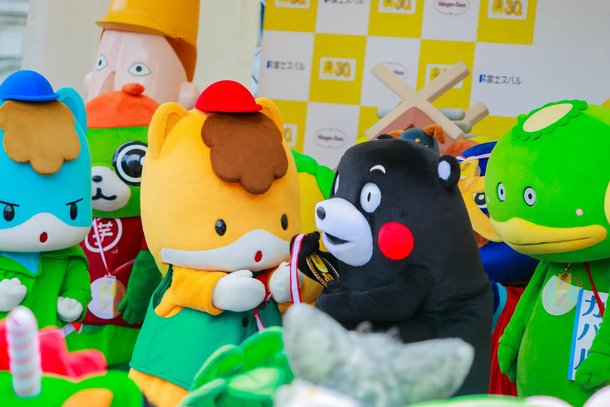
Kumamon. Funassyi. Myaku-Myaku. If you spend enough time in Japan or on Japanese social media, you’ve probably encountered these names. Yuru-chara (ゆるキャラ) is short for “yurui mascot character” (ゆるいマスコットキャラクター) or a “light-hearted” mascot. These characters are often used for public relations and marketing to promote companies, organizations, and even various areas around Japan.
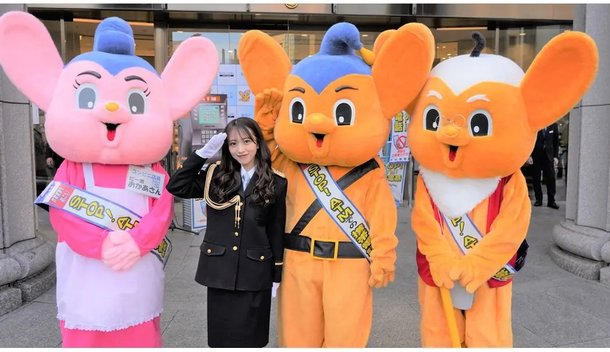
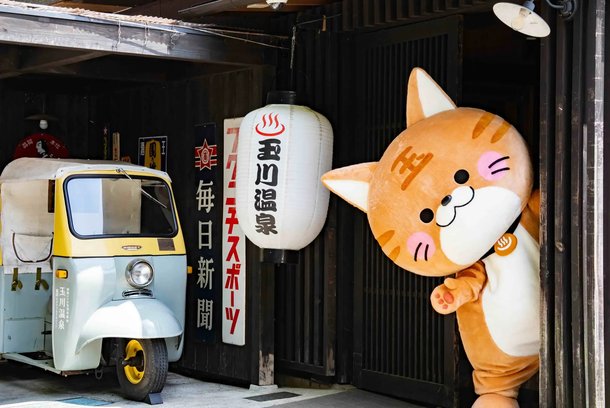
The use of promotional mascots in Japan began catching on in the 1980s when the country hosted a number of expos throughout the decade. But the term yuru-chara didn’t exist until 2000 when writer and mangaka Jun Miura coined the phrase. In the following years, yuru-chara became more and more popular as they soon started appearing more frequently in day-to-day promotional materials. They became especially relevant for cities and regions around Japan, and mascots that specifically represent these areas are referred to as gotōchi-chara (ご当地キャラ) or local characters. Even Japanese police departments have their own various yuru-chara, like Tokyo Metropolitan Police’s Pipo-kun who is often featured on posters at kōban—or small police stations—around the city.
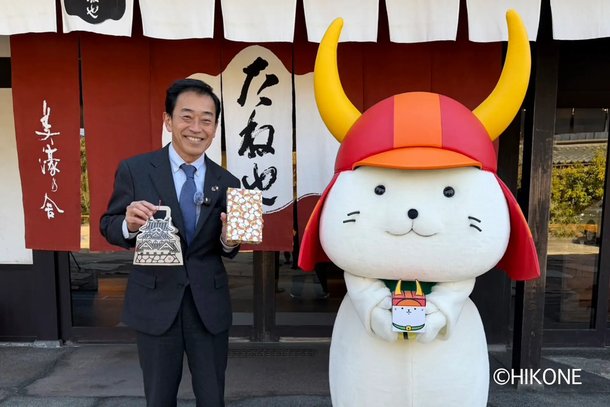
The recent popularity of yuru-chara in the late 2007s began with Hikonyan. This white cat is the official mascot of Hikone City in Shiga Prefecture and was created to celebrate the 400th anniversary of Hikone Castle. Hikonyan’s popularity was cemented when it won the first Yuru-Chara Grand Prix contest in 2010, the same year Kumamoto debuted another well-loved character: Kumamon.
As Kumamoto’s official mascot, Kumamon is one of the most recognizable yuru-chara in Japan and around the world. It was originally created to help promote tourism in Kumamoto, and the promotional strategy behind the character made it immensely well-known throughout the country. With mascots like Hikonyan and Kumamon becoming more and more recognizable, the yuru–chara boom took off, and other places and businesses began using yuru-chara for marketing. Following Hikonyan, Kumamon took first place in the 2011 Yuru-Chara Grand Prix, and since then hundreds of yuru-chara have joined the competition to help promote their localities or organizations.
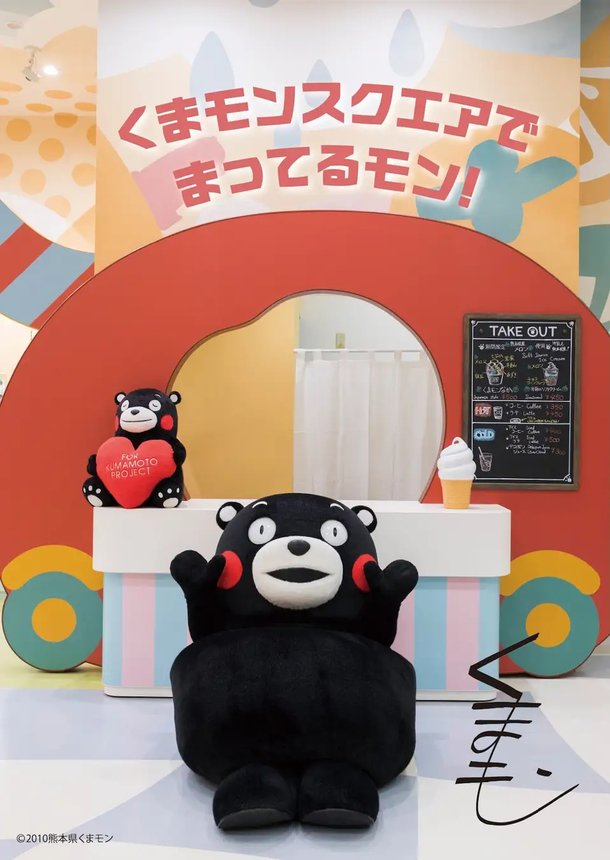
From 2010 to 2020, the Yuru-Chara Grand Prix took place every year and became a widely anticipated event not just for yuru-chara around Japan but also for fans and local governments. Although the contest itself didn’t have a monetary prize, the winners gained a lot of popularity and often attracted economic and licensing opportunities. However, the competition went through a three-year hiatus after 2020 and rebranded as the Yuruverse competition when it returned in 2023.
Winning the Yuru-Chara Grand Prix takes a lot of votes, but there are other factors involved. Yuru-chara need lore, too. An interesting background story can grab the attention of people outside of a mascot’s home region. And in order to be cute beyond its design, the people under the yuru-chara costume may also undergo training or workshops. Although this isn’t mandatory, there are ways that yuru-chara need to physically act to appeal to younger audiences or communicate since most of them don’t speak. Special mascot schools and training programs exist to teach the people wearing the costumes how to move and act to bring personality to their characters.
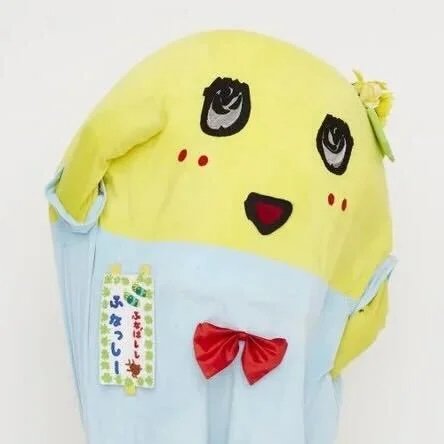
This isn’t required for all yuru-chara actors, though. In fact, even official affiliation with a locale or business isn’t always necessary for a yuru-chara to exist. The pear fairy character Funassyi, for example, wasn’t created by Funabashi City’s government. Instead, the character came to be through the efforts of an anonymous citizen who did offer the character to the local government prior to going independent. When Funassyi started their activities, the character’s energetic movements and way of speaking appealed to so many people and became incredibly famous throughout Japan. In fact, there are a number of yuru-chara that have been submitted by regular people via official contests for large events.
For example, when Expo ‘85 took place in Tsukuba, the organization held a nationwide mascot design contest. A submission by a junior high school student won, and Expo ‘85’s mascot became Cosmo Hoshimaru. Many major events would continue to hold contests to gain character designs, like the Tokyo Olympics 2020 and World Expo 2025.
As yuru-chara and other mascots have gained many fans, they’ve even crossed over to the digital world. From idol groups to VTubers, the use of mascots have become more commonplace to attract fans and produce merchandise. Meanwhile, yuru-chara have also been known to do their own streams and other online activities, not limiting themselves to just local events.
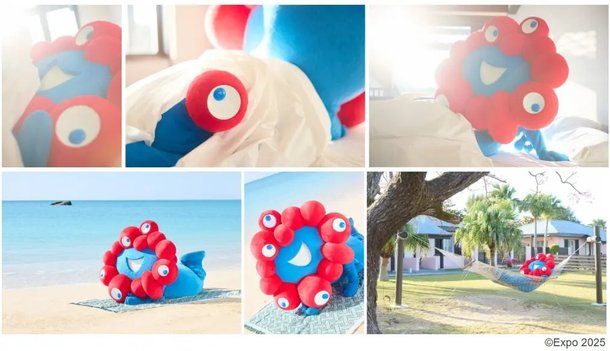
And you may have noticed, yuru-chara play a big role in marketing and PR, but their appeal to fans has also opened a market for tons of merchandise like collaborations with local businesses and souvenirs with the character on the packaging. Widely recognized yuru-chara can even have goods at national chains or get offers for other products, like Myaku-Myaku’s recently published photobook. The world of yuru-chara isn’t just an example of how cute characters can work in PR. These adorable characters have become a huge economic driving force for several areas throughout Japan. Others have become the face of their organizations and being recognized means people know about what they represent.
Next time you visit Japan, be on the lookout for all the different yuru-chara. Learn about a new place from their character lore or get an adorable and unique souvenir that supports the local economy. And be sure to tell us about your favorite yuru-chara if you have one or if you’ve discovered a new one to support!
TOM on YouTube
TOM on FB
TOM on Instagram
TOM on X
Written by Alon Bramble for TOM News




0 Comments