“Limited edition.”
For many collectors, this phrase can stir up a lot of hype around a new release because of how rare and special it is. But today we’re not talking about merch drops. We’re covering gentei shōhin (限定商品) which translates to limited edition or exclusive products. Specifically, we’re exploring kisetsu gentei (季節限定) products—seasonal exclusives that highlight flavors and produce across the four seasons in Japan—starting with the best of spring and summer.
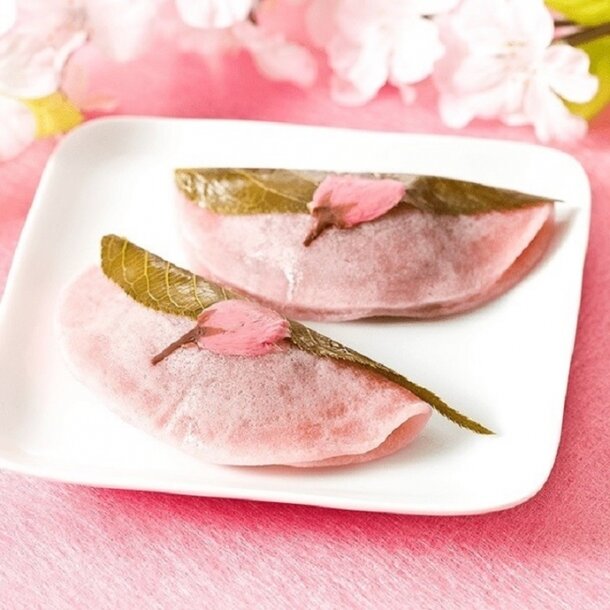
Sakura is the epitome of springtime exclusive. A lot of restaurants and food businesses promote cherry blossom-inspired items starting as early as February up until early April, with many focused on desserts and drinks. However, those who enjoy traditional Japanese sweets can look forward to a seasonal type of snack called sakura mochi around this time. This traditional snack differs depending on the region with Kansai-style using glutinous rice while Kanto-style has a more crepe-like wrapper. But both are filled with a bean paste known as anko (あんこ) and covered with pickled sakura leaves. Aside from food, be on the look out for other sakura-themed goods and souvenirs available during this time, too!
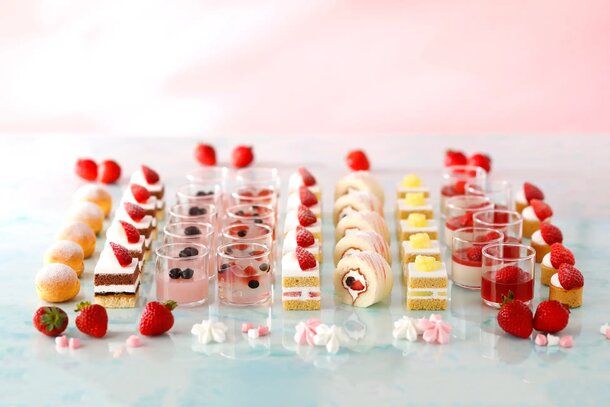
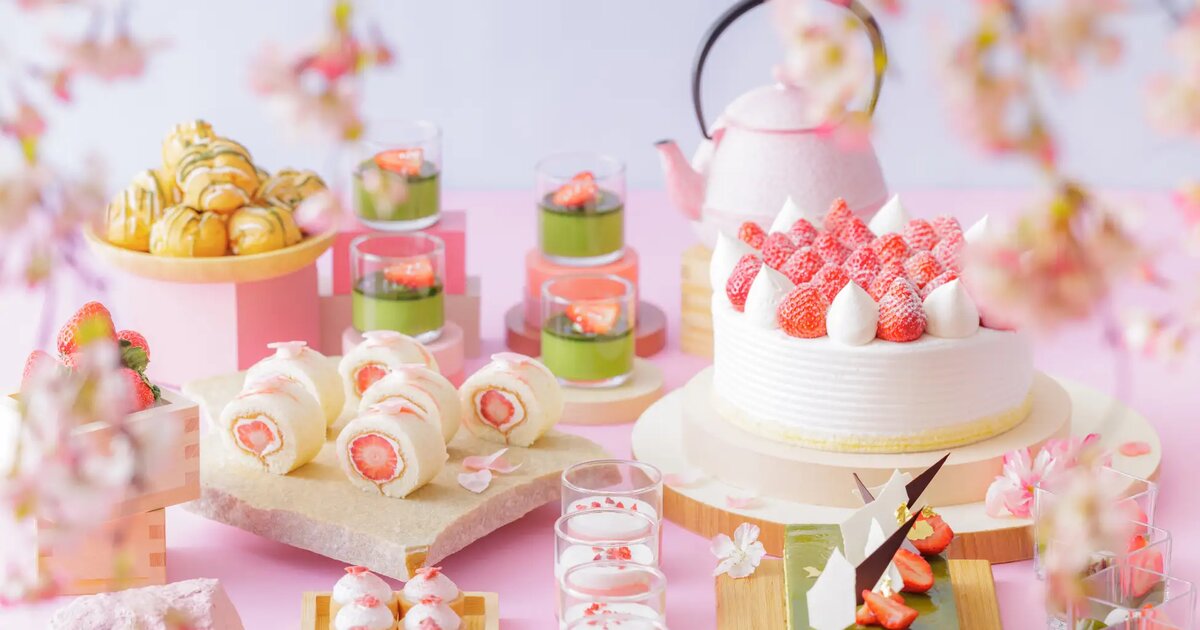
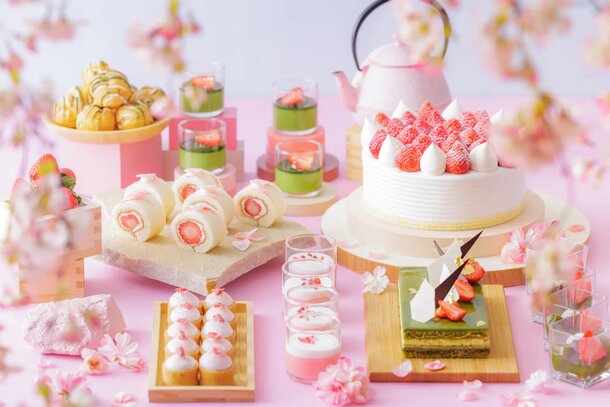
Although Japanese supermarkets stock strawberries as early as December, the fruit’s peak happens around the same time as sakura season. Because of this, many limited time products are usually pink and incorporate both cherry blossoms and strawberries in their recipes or packaging. But for anyone looking to try the ultra sweet Amaou variety, it’s usually available in the late winter or early spring so plan your trip accordingly.
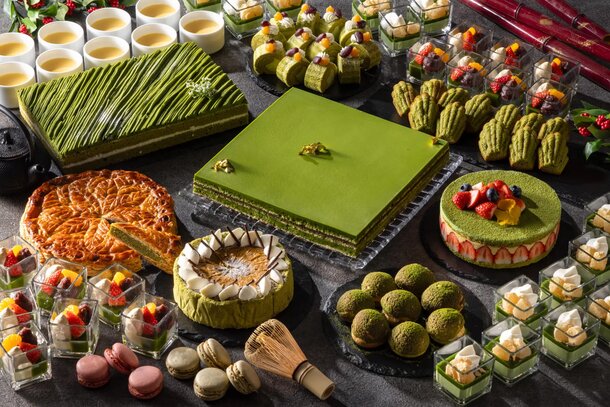
Matcha is pretty much a year-round product in Japan and it’s pretty easy to find no matter the season. However, springtime marks the first matcha harvests of the year so many companies will commemorate this time by releasing special matcha-flavored products. Bakeries and cafes will put out all kinds of matcha-flavored creations. And since it matches the taste profile of strawberries and sakura as well as their visual aesthetics, it’s possible to find dessert buffets that use all these flavors at once.
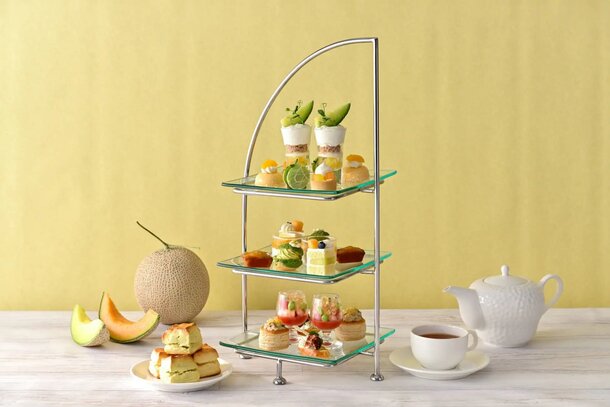
Around May to July, melon flavors start taking the stage to mark the shift from spring to summer. If you’re looking for a taste of Japanese melons, keep an eye out for hotel or cafe menus that offer afternoon tea sets around this time. But in order to have a taste of the real thing, it’s best to find them at a supermarket. Melons at depachika (デパ地下), or food courts found at department store basements, tend to be more expensive—moreso if you’re hoping to try the luxury muskmelon varietal known as the Crown Melon or the highly-prized Yubari King. Since they’re so expensive, they’re customarily given as gifts during special occasions.
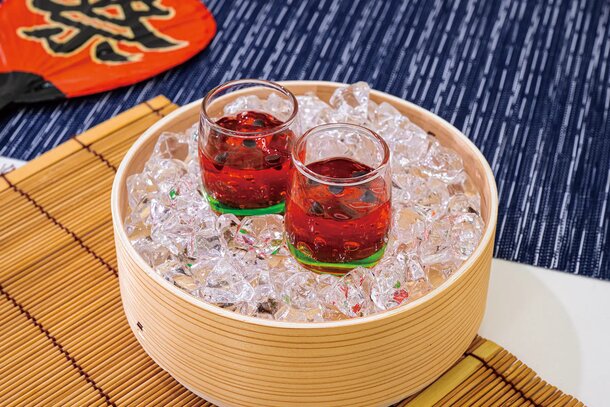
You might have seen anime beach episodes where characters play a game trying to whack watermelons. That’s because summertime is prime watermelon season. A lot of places that promote the flavor during this time of the year often put it in refreshing cold drinks and other cold desserts like sorbets. Sometimes summer snacks forgo the flavor entirely and only use the watermelon’s bright red and green colors to symbolize the season.
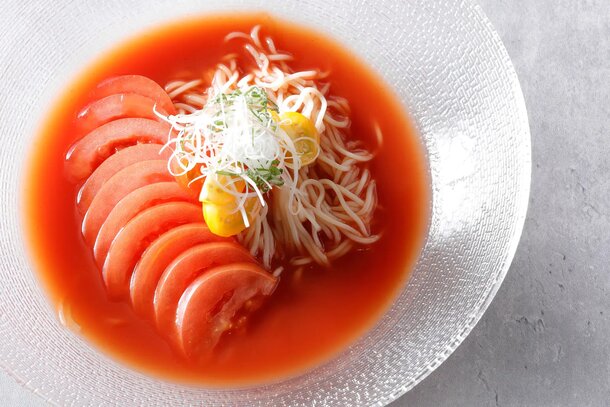
Throughout the year, certain businesses may have seasonal promotions known as “fairs” (フェア). During these events, restaurants at department stores and malls offer special menu items with a specific ingredient or theme. During summer, some of these fairs push for dishes and products that have tomatoes. While tomatoes are available year-round, summer’s tomatoes have the best flavor and go well with many cool dishes to combat the hot weather. Salads, pastas, and even cold ramen are frequent summertime tomato pairings.
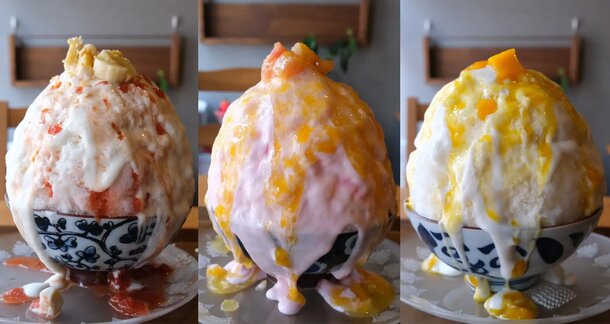
Since we’re talking about summer’s high temps, there’s nothing like kakigōri (かき氷) to beat the heat. Although kakigōri isn’t a specific flavor, this Japanese shaved ice dessert becomes even more widely available when the temperatures start to rise. Summer festival stalls will often serve kakigōri with a variety of syrups for different taste preferences, but specialty stores have introduced all kinds of combinations, from fresh fruit toppings to more traditional Japanese flavors. Nowadays it’s possible to find kakigōri during other times of the year, but they’re still most prevalent during the hotter months.
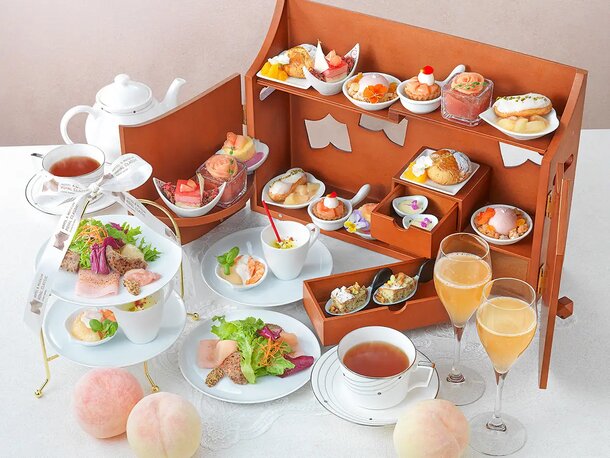
Japanese peaches also start to show up on menus and at stores throughout summer and all the way to the start of fall. Because of their flavor profile, peaches can be found in sweet and savory dishes alike. Similar to muskmelons, some Japanese peaches like the Okayama Shimizu Hakuto come with a hefty price tag at specialty fruit stores due to their sweetness. But again, there are plenty of affordable types found at supermarkets, and special menus incorporate them in creative ways so it’s possible to try them without going over budget.
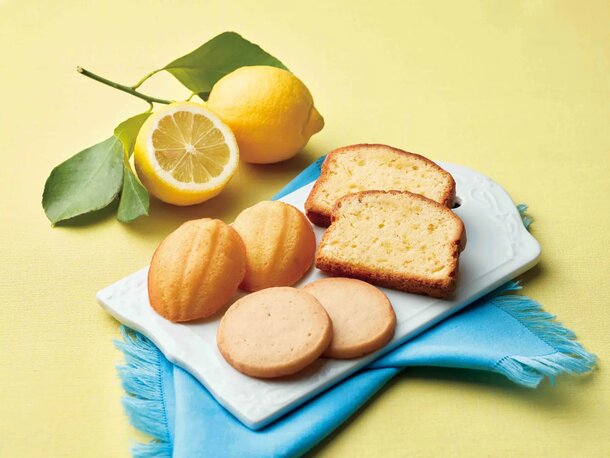
This final flavor on the list is a bit of an anomaly. Most citrus in Japan become widely available during the winter months, but lemons are grown year-round and Setouchi Lemons from western Japan are commonly used for summer gentei products. This variety of yellow lemons aren’t as acidic as others and their refreshing flavor works well for summertime snacks and desserts. They can be found on many special menus as well as seasonal products available at stores.
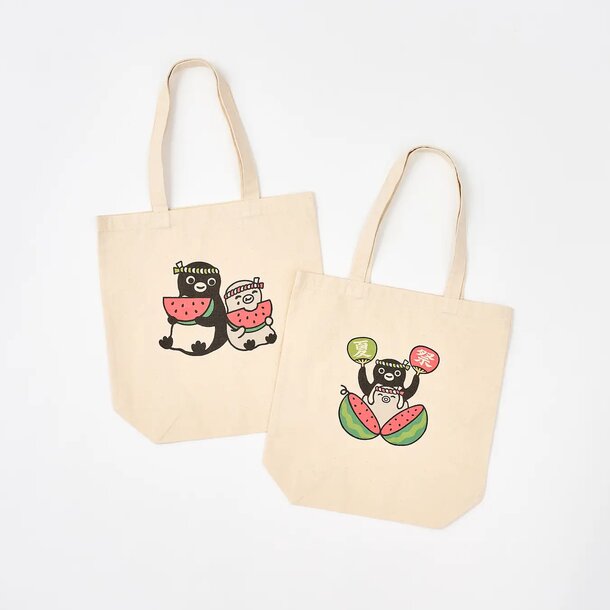
Whether you’re visiting Japan for a short time or recently moved to the country, keep an eye out for items marked as “gentei” at stores and restaurants. It’s a wonderful way to try new flavors and experience what the current season has to offer, not just the ones we’ve listed here. And of course “gentei” doesn’t just apply to food and drinks. Scents, designs, and other goods make use of these seasonal promotions as well. Because of their limited availability, seasonal merch make for great gifts and souvenirs because they’re so unique!
TOM on FB
TOM on Instagram
TOM on X
Written by Alon Bramble for TOM News




0 Comments